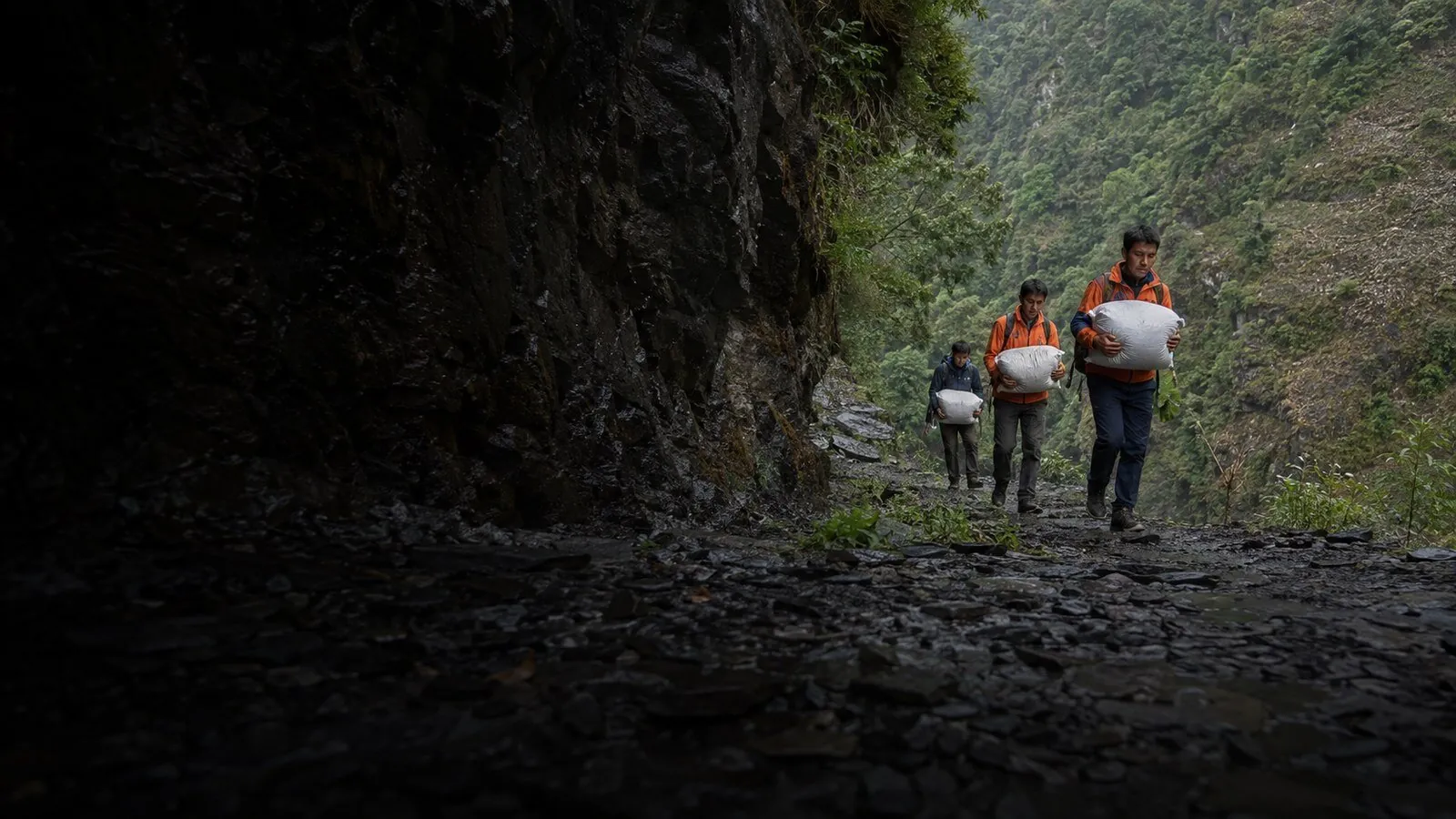
Police confirm 18 deaths
Bodies are recovered in Rasuwa, Nuwakot, Dhading and Gorkha as searches, evacuations and road clearance continue.
Source: Nepal Police
Northern Nepal emergency
At least 18 people have died and hundreds are out of contact after a suspected ice avalanche sent a sudden flood through the Bhotekoshi corridor.
Support responsible humanitarian action
Help fund AidWorkers.com's verified crisis information, practical humanitarian resources, response readiness and authorised emergency support where it can be delivered responsibly.
Secure payments are processed by Donorbox. This is an independent AidWorkers.com campaign.
Trouble seeing the secure form? Open the Donorbox donation page.
Crisis timeline
For the full humanitarian picture and qualified figures, read our northern Nepal avalanche flood news report.
Bodies are recovered in Rasuwa, Nuwakot, Dhading and Gorkha as searches, evacuations and road clearance continue.
Source: Nepal Police
The Tourism Board reports 384 travellers out of contact, while authorities deploy tracing and rescue teams across the affected corridor.
Sources: Nepal Tourism Board and Radio Nepal
A powerful surge moves through Timure and Syabrubesi before travelling downstream, damaging settlements, roads, bridges and power facilities.
Sources: Rasuwa District Administration Office and Nepal authorities
Initial assessments suggest an ice-and-rock avalanche may have blocked the Lhende River before a sudden release, but the cause is not yet final.
Sources: ICIMOD and National Disaster Risk Reduction and Management Authority
Verified emergency facts
The figures below remain provisional while communications are restored and authorities reconcile casualty, tracing and infrastructure reports.
Nepal Police balance at 15:45 on 26 August.
A tracing figure, not a confirmed casualty total.
Multiple bridges were also reported swept away.
Why help matters
Flood-affected households, stranded travellers and rescue teams need safe access, shelter, water, healthcare and reliable tracing information while roads, bridges and power systems are assessed.
The suspected avalanche cause and the first impact balances may change as satellite analysis, field searches and communications produce clearer evidence.
This AidWorkers.com campaign is independent. Cited organisations are evidence sources and are not presented as partners or recipients of donations to AidWorkers.com.
Donation transparency
Urgency should never come at the expense of honesty. This page separates verified emergency evidence from AidWorkers.com's own role.
Check the evidence
Fast-changing figures are dated and qualified. Later official updates may revise the casualty, tracing, damage and cause assessments.
No. This is an independent AidWorkers.com campaign. The organisations named above are evidence sources and are not presented as partners or recipients.
No such claim is made. The campaign supports AidWorkers.com's flood-related humanitarian purposes, including verified public information, practical resources, response readiness and authorised direct or partner support where feasible. Any confirmed transfer or delivery should be reported separately and transparently.
Searches, communications restoration and scientific assessments are continuing. Later official updates may change the casualty and tracing totals or refine whether an avalanche blockage, glacial-lake release or another process caused the flood.
First published: . Last fact-checked: .